The Best Fluffy Pancakes recipe you will fall in love with. Full of tips and tricks to help you make the best pancakes.

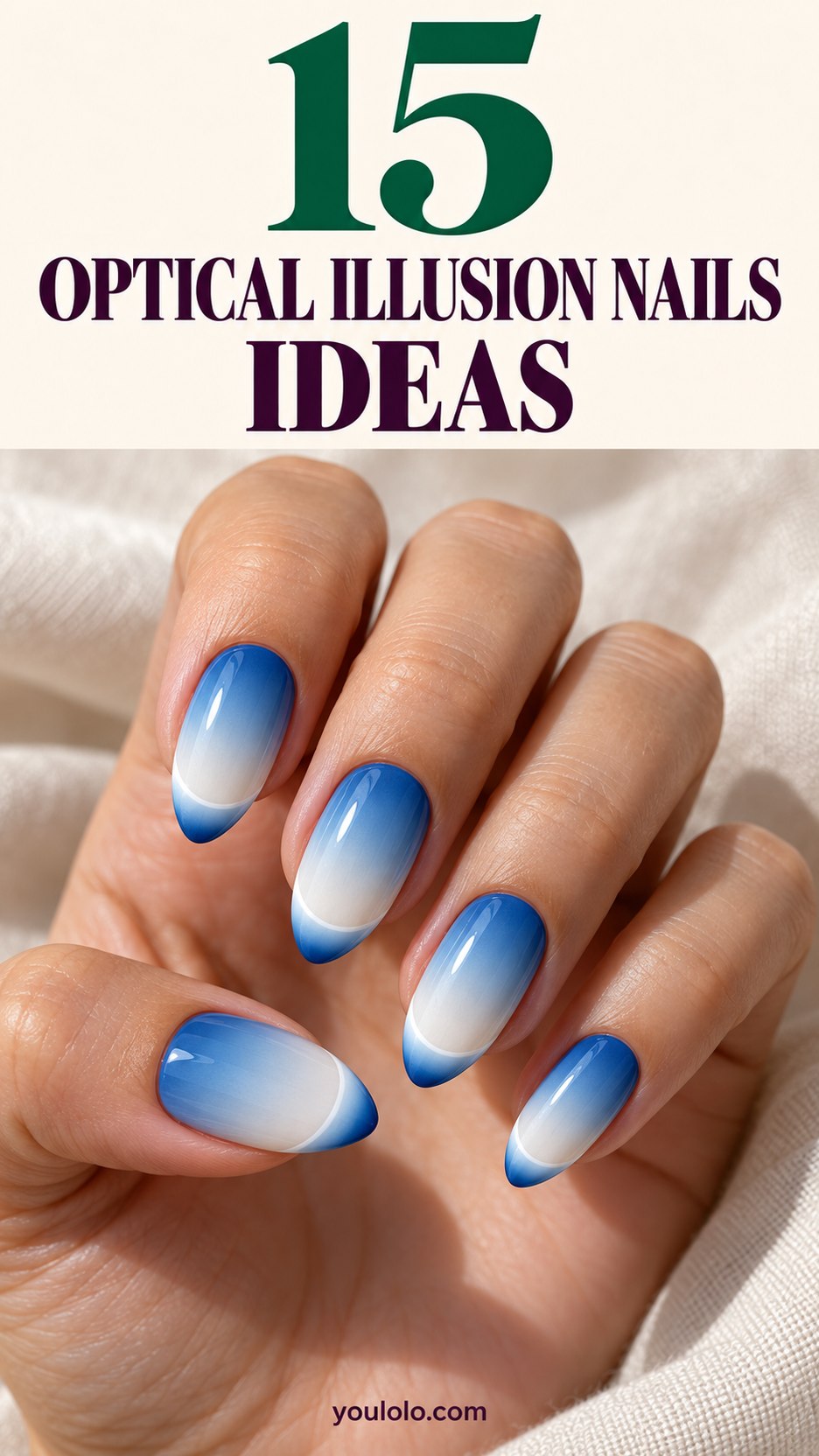
Optical illusion nails are for the moment when you want someone to say, ‘Wait, is that actually flat?’ A reversed gradient, a painted fold or a carefully placed shadow can make a smooth nail look surprisingly dimensional. The trick is a clear visual idea, not simply adding more detail.
These are flat painted effects, separate from raised sculptural nail art. Some need a steady hand and careful shading, so use the images as a brief for an artist who enjoys detailed painting. Every idea includes a simpler route if you want the illusion without a full statement set.
For a wider mix of unusual painted ideas, explore my 23 Creative Nails That Feel Like Wearable Art.
Pick the Illusion Before the Palette
Choose one illusion to lead the set. Reversed gradients feel different from drawn objects, and a simple shadowed frame can be a gentler introduction than an entire checkerboard tunnel.
15 Optical Illusion Nails to Save for Your Next Appointment
1. Reverse-Gradient French
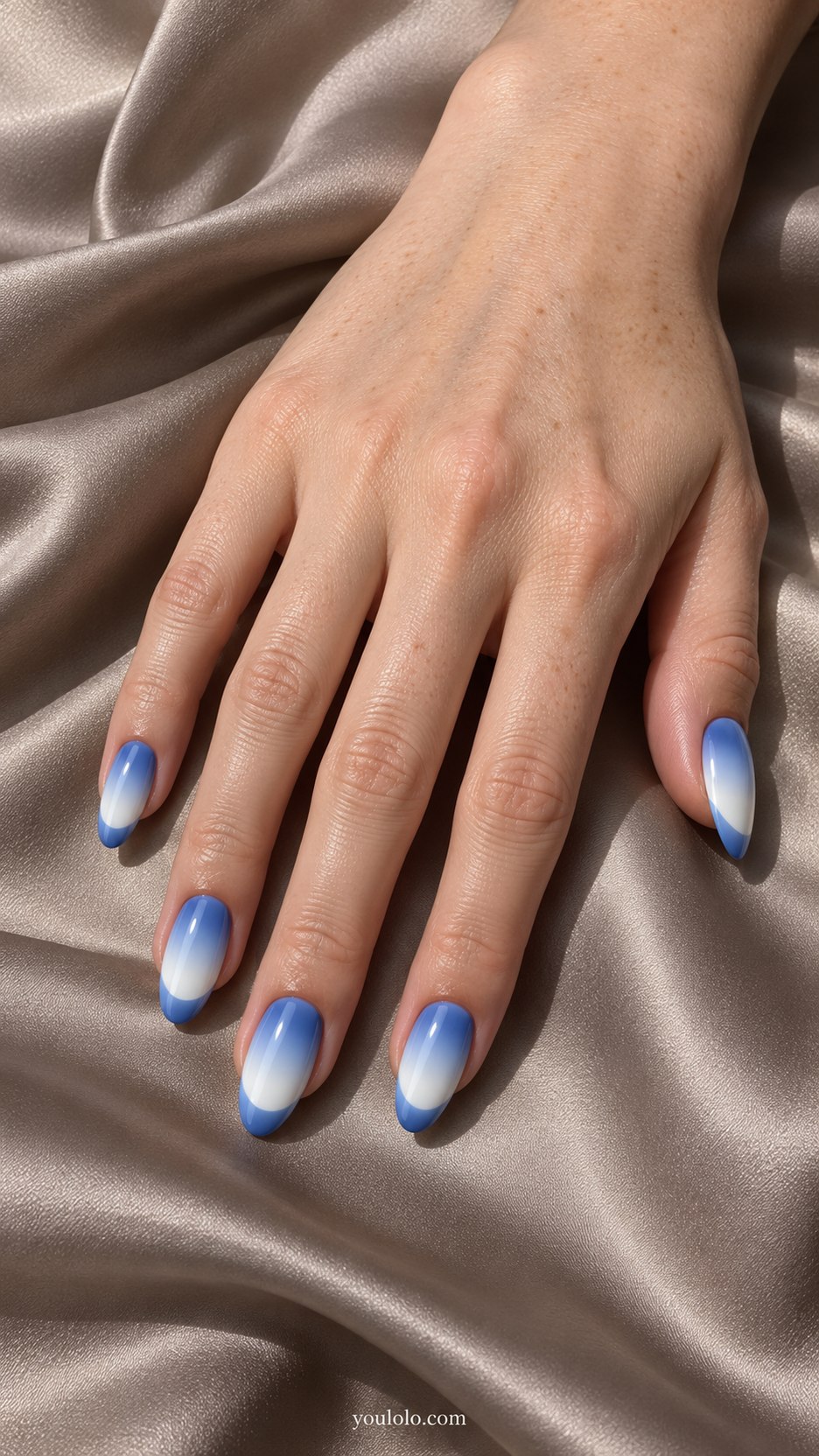
A French tip that reverses the gradient underneath can make the edge appear to turn inward. Blue and white give the effect clear contrast without a busy pattern. I would wear this with a plain navy top and let the unusual tip be the detail people notice.
Ask your artist to show the direction of both gradients before starting. The reversal is essential. A short version can keep the illusion on two accent nails, with a simple blue French tip on the others.
2. Black-and-White Tunnel
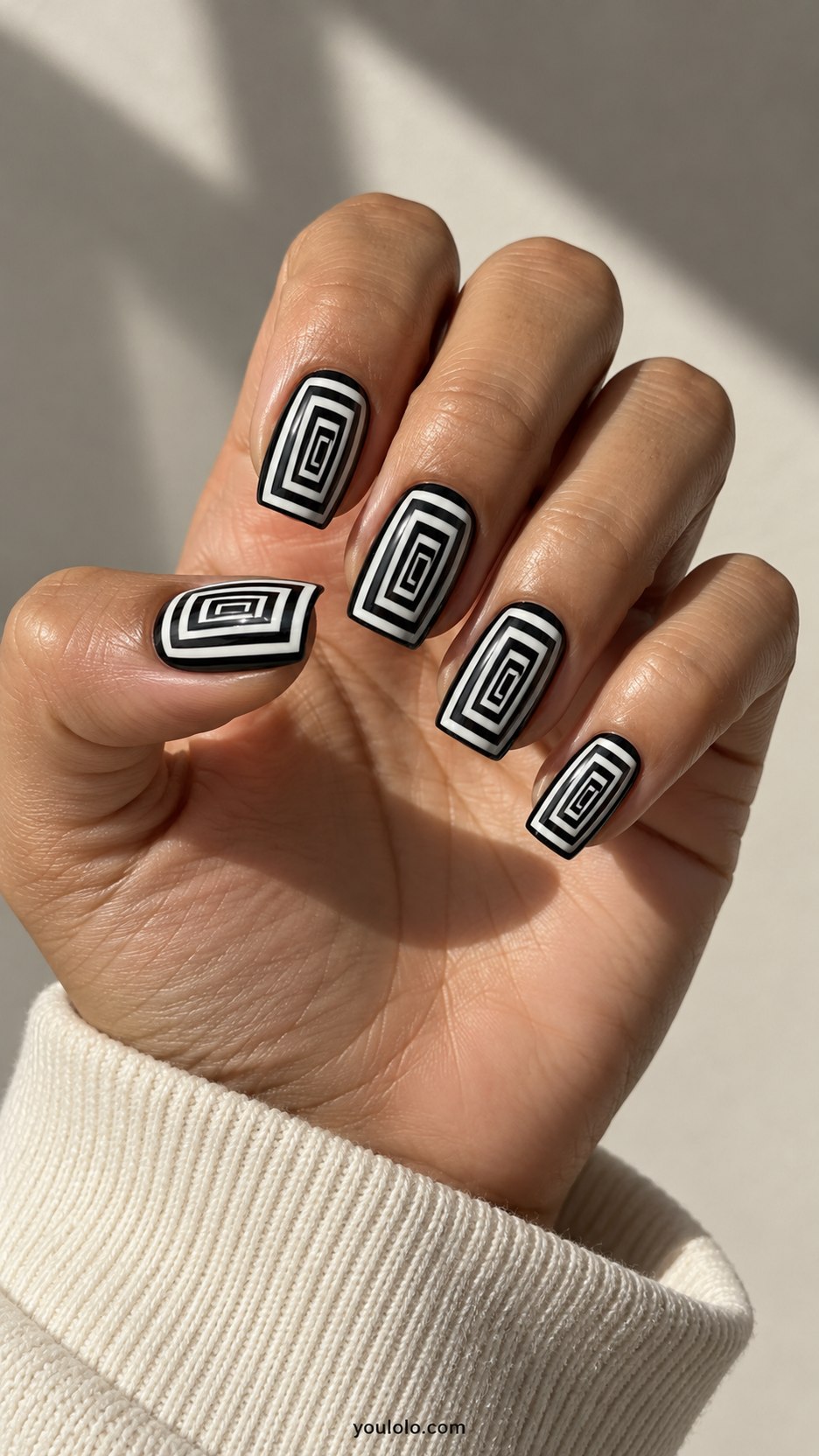
Shrinking rectangular frames create the impression of a tunnel inside the nail. Black and white make the perspective easy to read, especially on a square shape. I would keep the outfit equally simple: a white tee, black trousers and one clean silver accessory.
The spacing between frames matters more than the number of lines. Ask for a few clear rectangles rather than many crowded ones. One tunnel accent is enough if you like graphic nail art but do not want the full hand to feel intense.
3. Painted Satin Fold
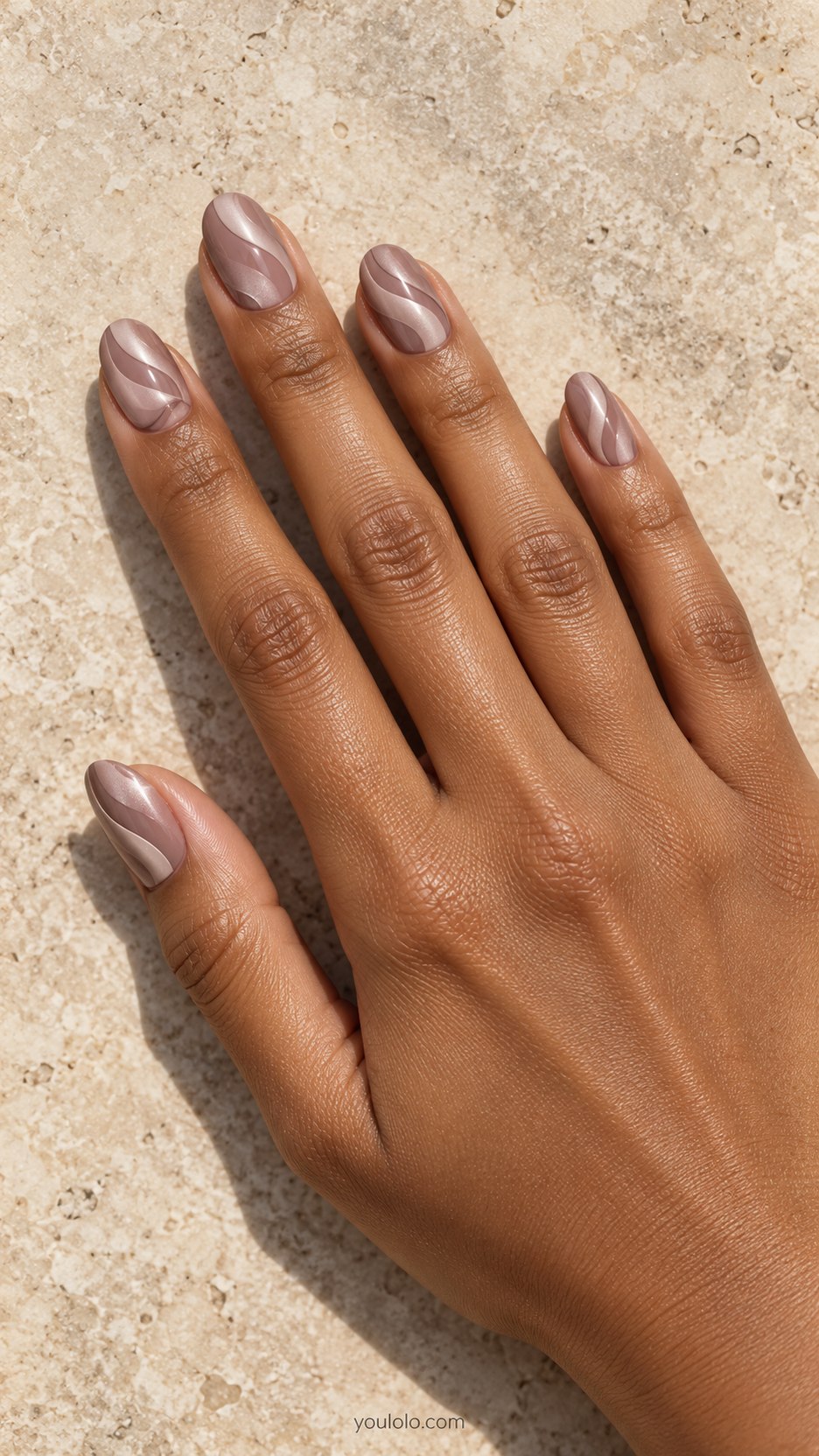
Soft taupe shadows make blush polish look like folded satin. It is a quiet illusion, the kind you notice when the light reaches it. I would pair this with cream knitwear or a pale pink shirt for a tonal outfit with a little surprise.
Be clear that you want a painted fold on a smooth surface. A raised ribbon is a different design. One broad fold gives the shading room to work; several tiny folds may lose their shape on a short nail.
4. Cobalt Floating Cube
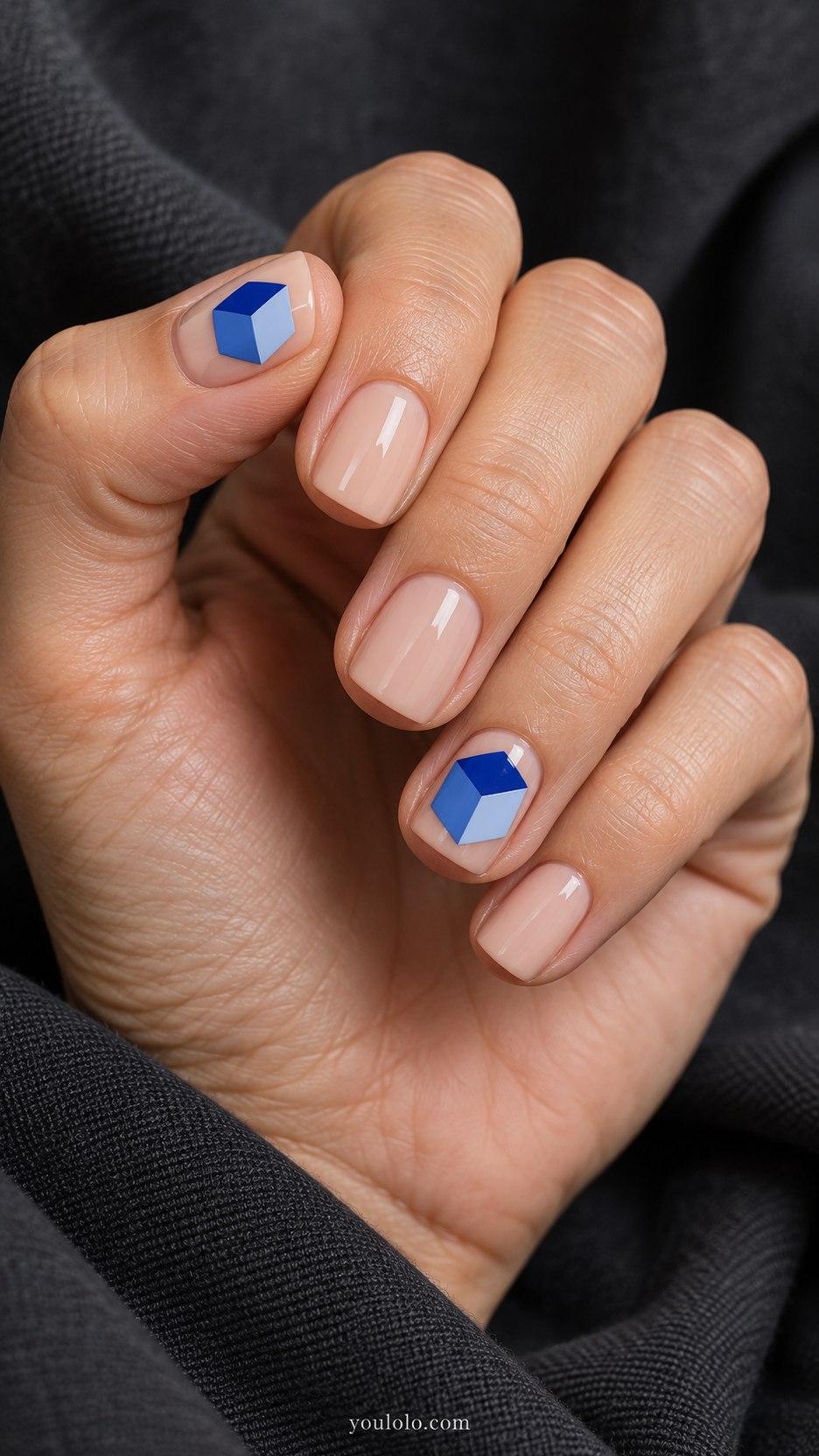
A small three-tone cube can appear to float above a nude base even though the artwork is flat. Cobalt gives the geometry a strong identity. I would wear this with a gray blazer or a plain white shirt, keeping the rest of the palette quiet.
Ask for three distinct blue values and a consistent light direction. That is what separates the cube’s faces. On short nails, one cube on the ring finger is enough, with a tiny blue square repeated on the thumb.
5. Cherry Anaglyph Hearts
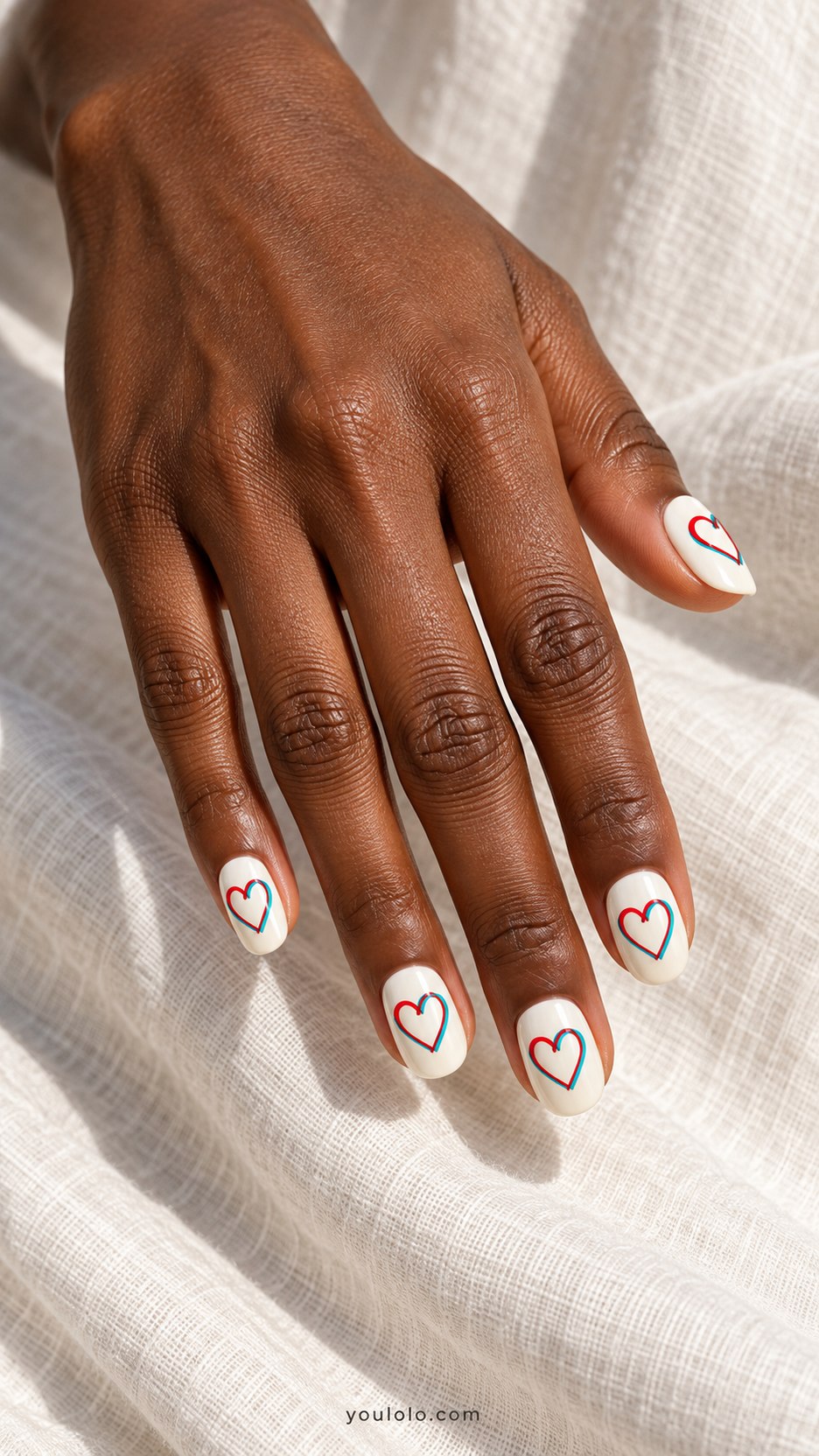
Red and cyan heart outlines, slightly offset, borrow the look of an anaglyph print. The result feels playful and a little dizzying in a good way. I would choose a white tee and a red accessory rather than adding more multicolor patterns.
The outlines should be close but visibly displaced. If they overlap perfectly, the effect disappears; if they sit too far apart, they become two hearts. Keep the shapes simple, especially on short nails, and leave plenty of ivory space around them.
6. Bent Checkerboard
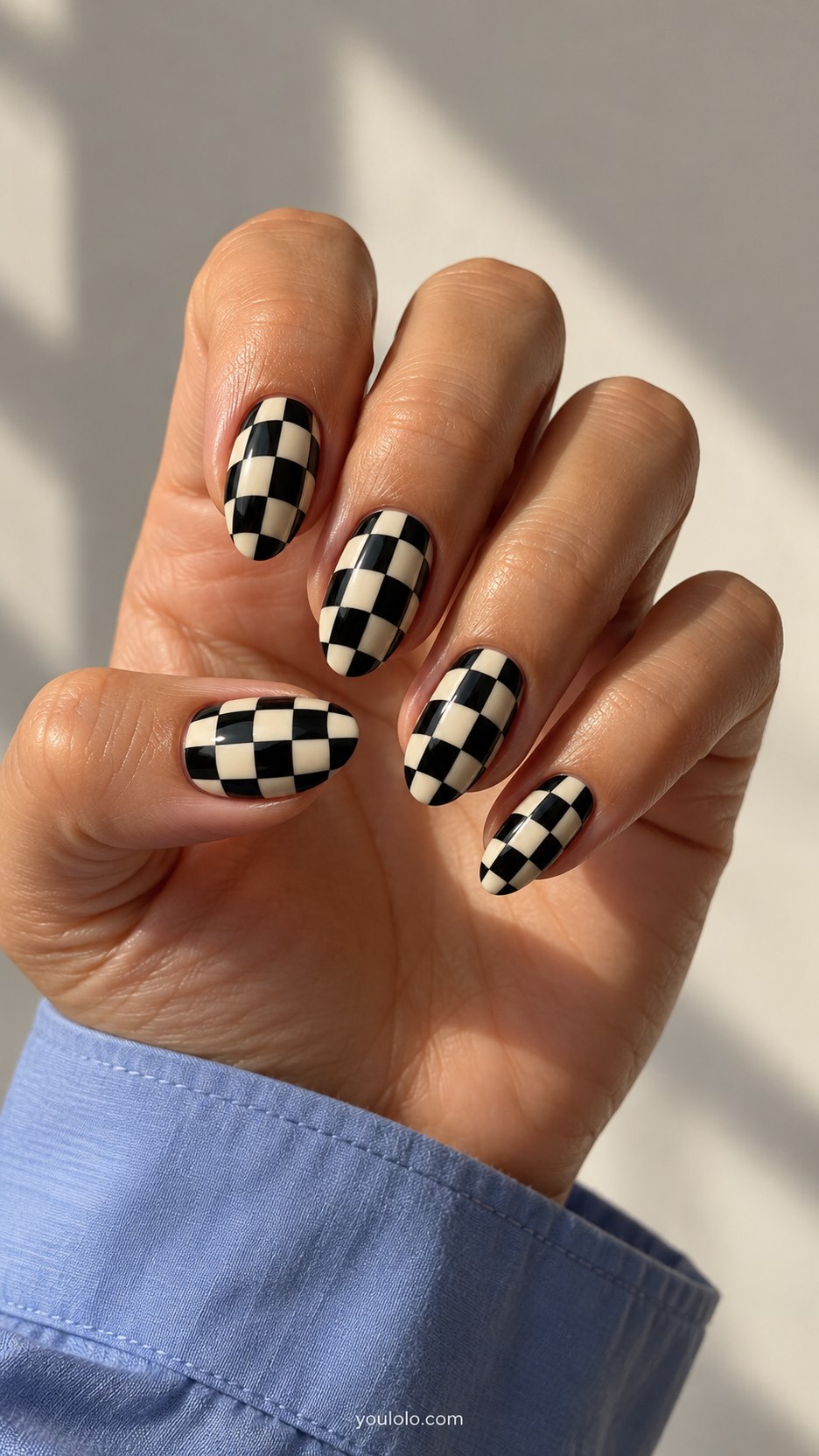
A checkerboard that bends around an imaginary bulge makes a familiar pattern feel unexpectedly dimensional. Cream softens the black contrast. I would wear this with a plain knit and let the curved grid supply all the movement in the outfit.
Ask for the squares to change shape gradually across the nail. A regular checkerboard will not create the same effect. For an easier-to-wear version, use one bent-grid accent and keep the other nails creamy with a small black tip.
7. Emerald Catwalk Steps
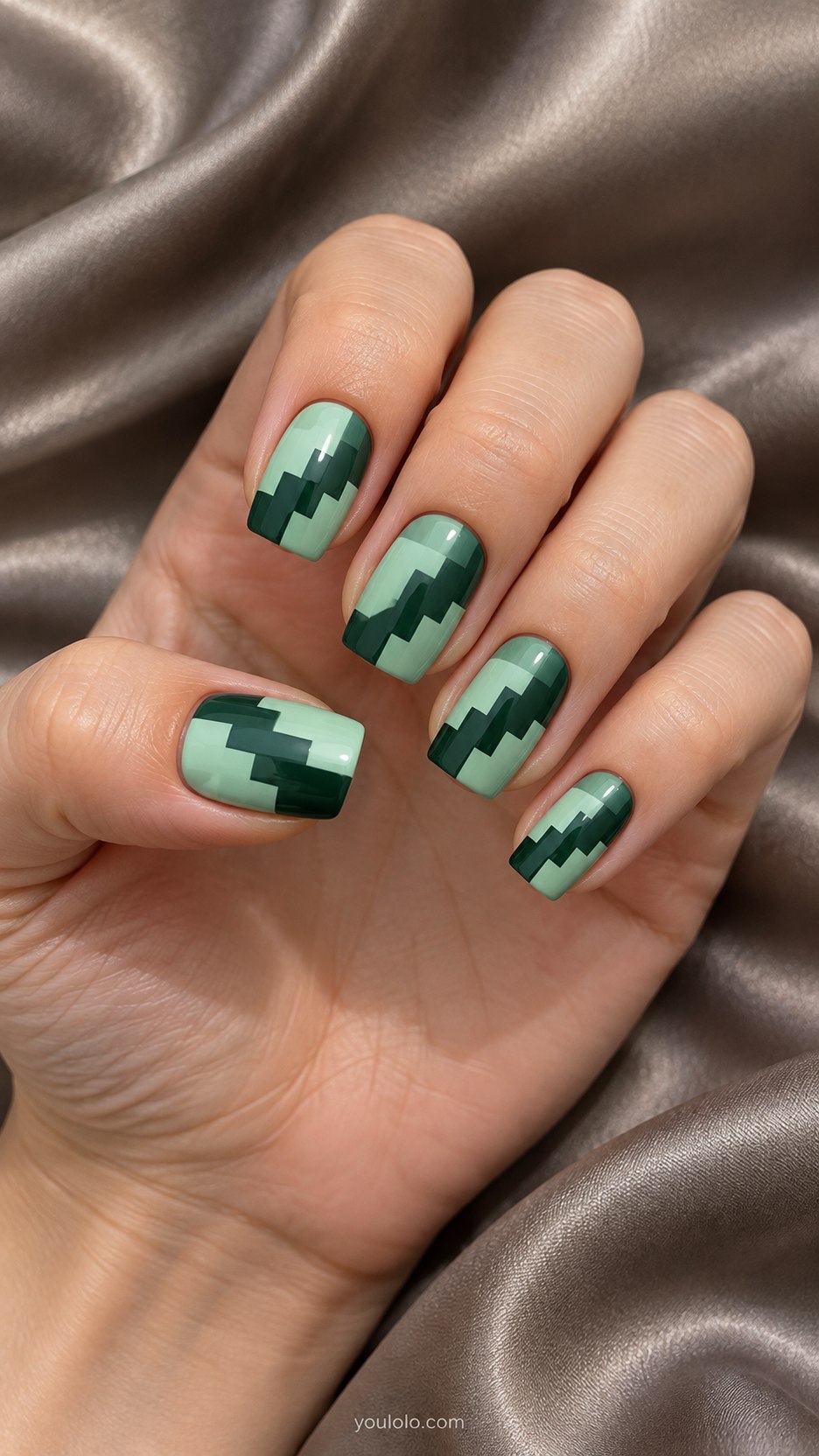
Emerald, mint and deep green can form little steps that seem to move away from you. The geometric perspective gives the manicure a graphic, gallery-like quality. I would pair it with a cream shirt and dark green trousers if I wanted a coordinated outfit.
Keep the steps large enough to distinguish their three faces. A square nail gives the pattern a natural frame. On a shorter nail, two clear steps will work better than a long staircase squeezed into the available space.
8. Floating Pearl Illusion
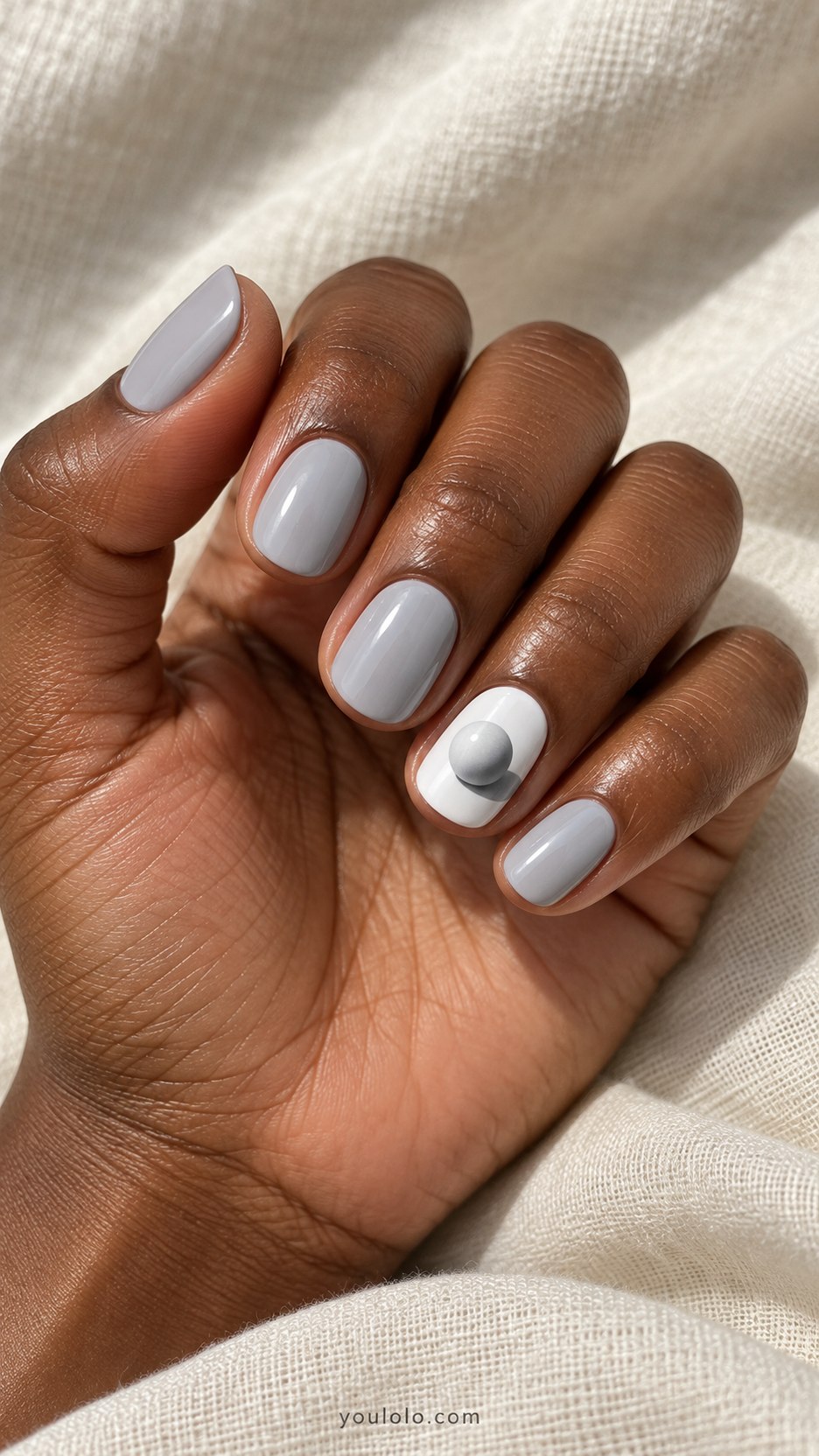
A painted white sphere with a soft gray shadow can look like a bead resting on the nail. The pale background makes the illusion gentle rather than theatrical. I would choose this with a gray cardigan and small pearl earrings for a subtle visual connection.
Specify a flat painted sphere, not an attached pearl. The highlight and shadow need to agree about where the light comes from. One sphere per accent nail is enough; adding several can make the idea harder to read.
9. Chrome-Ribbon Trompe Loeil
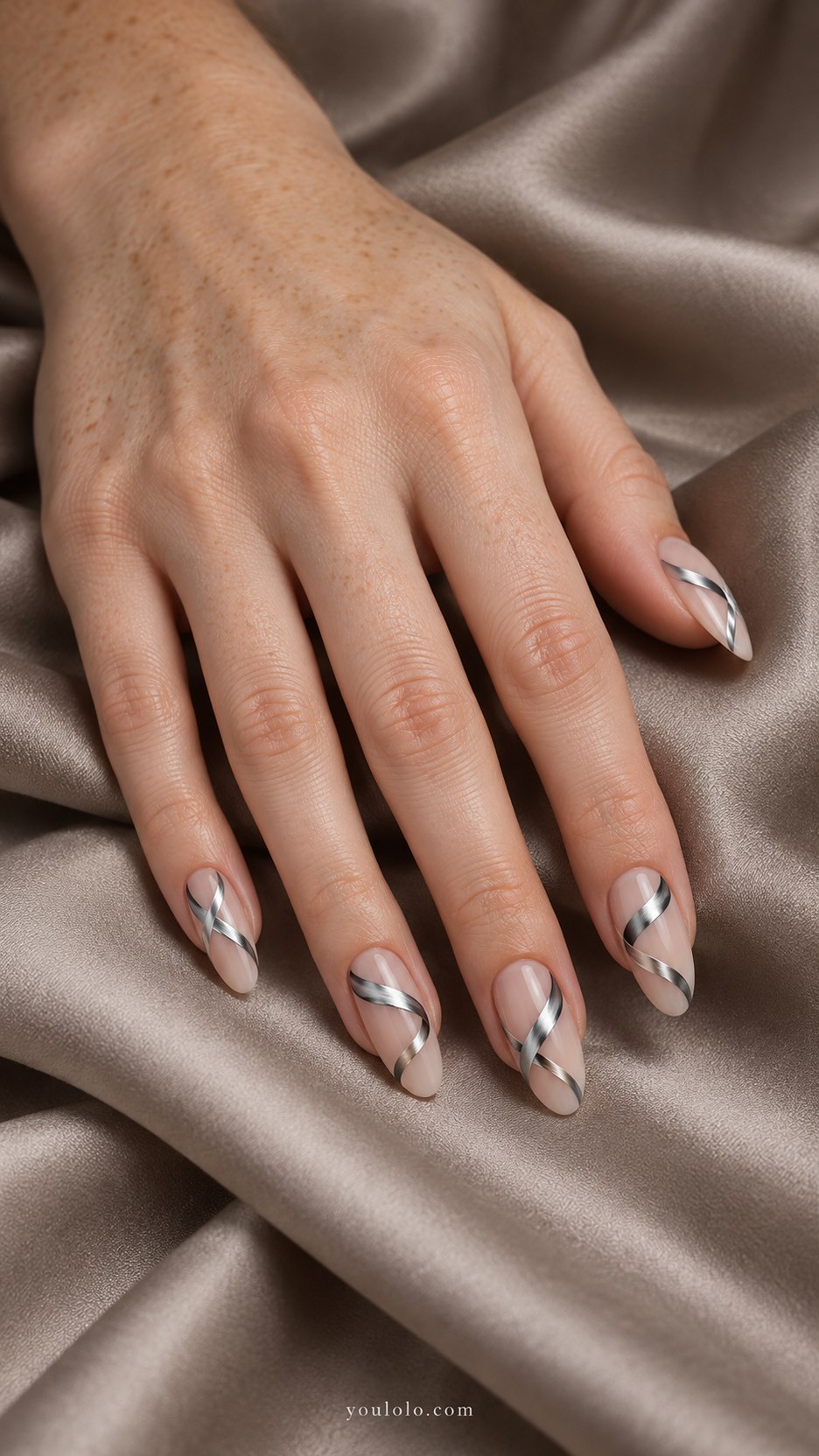
This silver ribbon gets its apparent twist from painted dark and light sections. The nude base gives it room to move, and the smooth surface keeps the design separate from sculptural chrome. I would wear it with black, white or a simple charcoal outfit.
Ask for one broad ribbon with a clear turn rather than several narrow curls. The darkest painted sections are part of the reflection illusion. A shorter version can show just one diagonal bend across the ring nail.
10. Split-Mirror Ombre
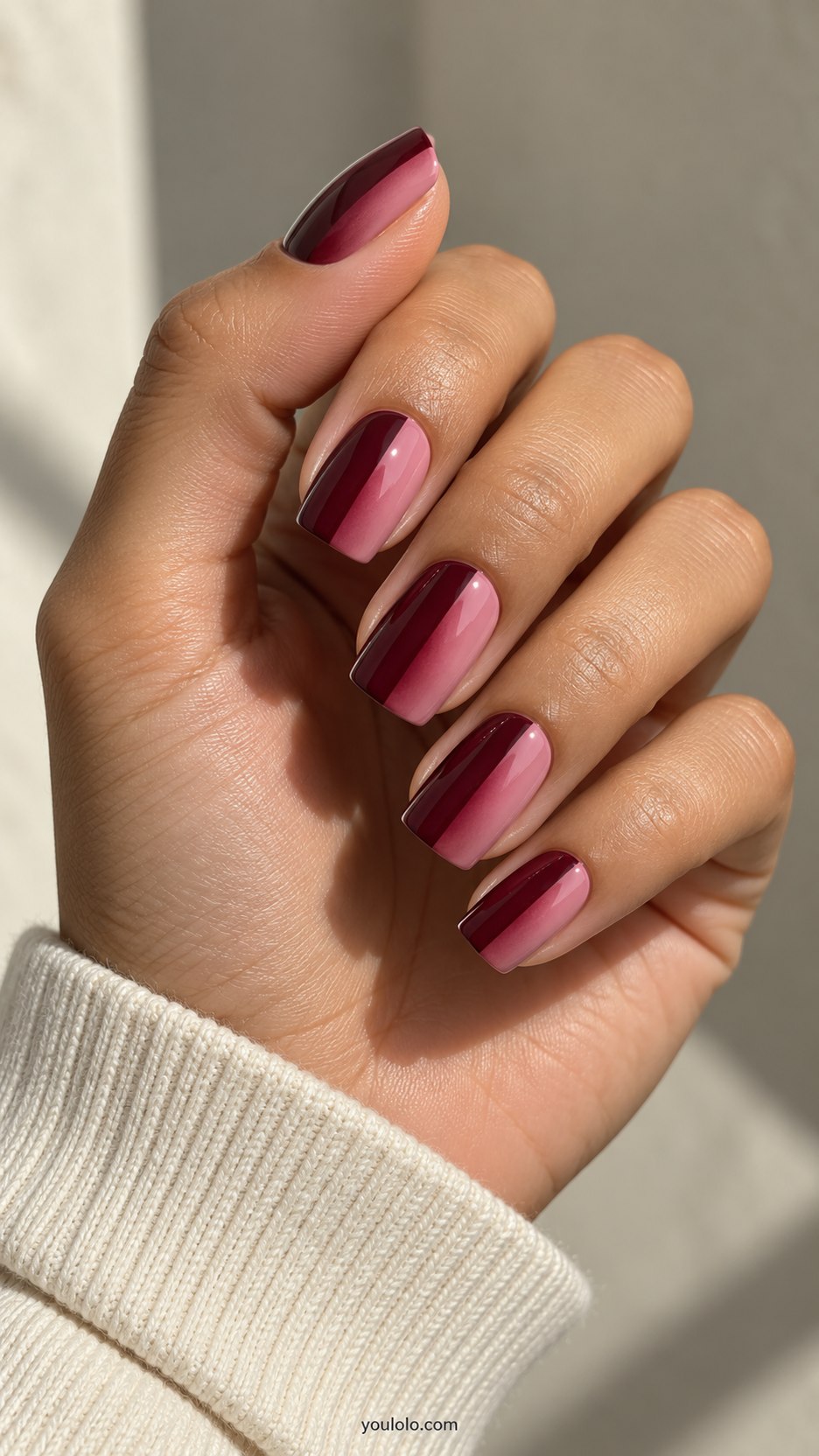
Reversing a rose-to-burgundy gradient across the center creates a mirror-like split. It feels more unusual than a standard ombre while keeping a romantic palette. I would pair it with a cream blouse and burgundy shoes for an easy color connection.
The center line needs to be clean so the two directions remain distinct. Choose shades far enough apart to show the reversal. If the whole hand feels busy, reserve the mirrored gradient for two nails and use a smooth rose shade elsewhere.
11. Paper-Curl Corners
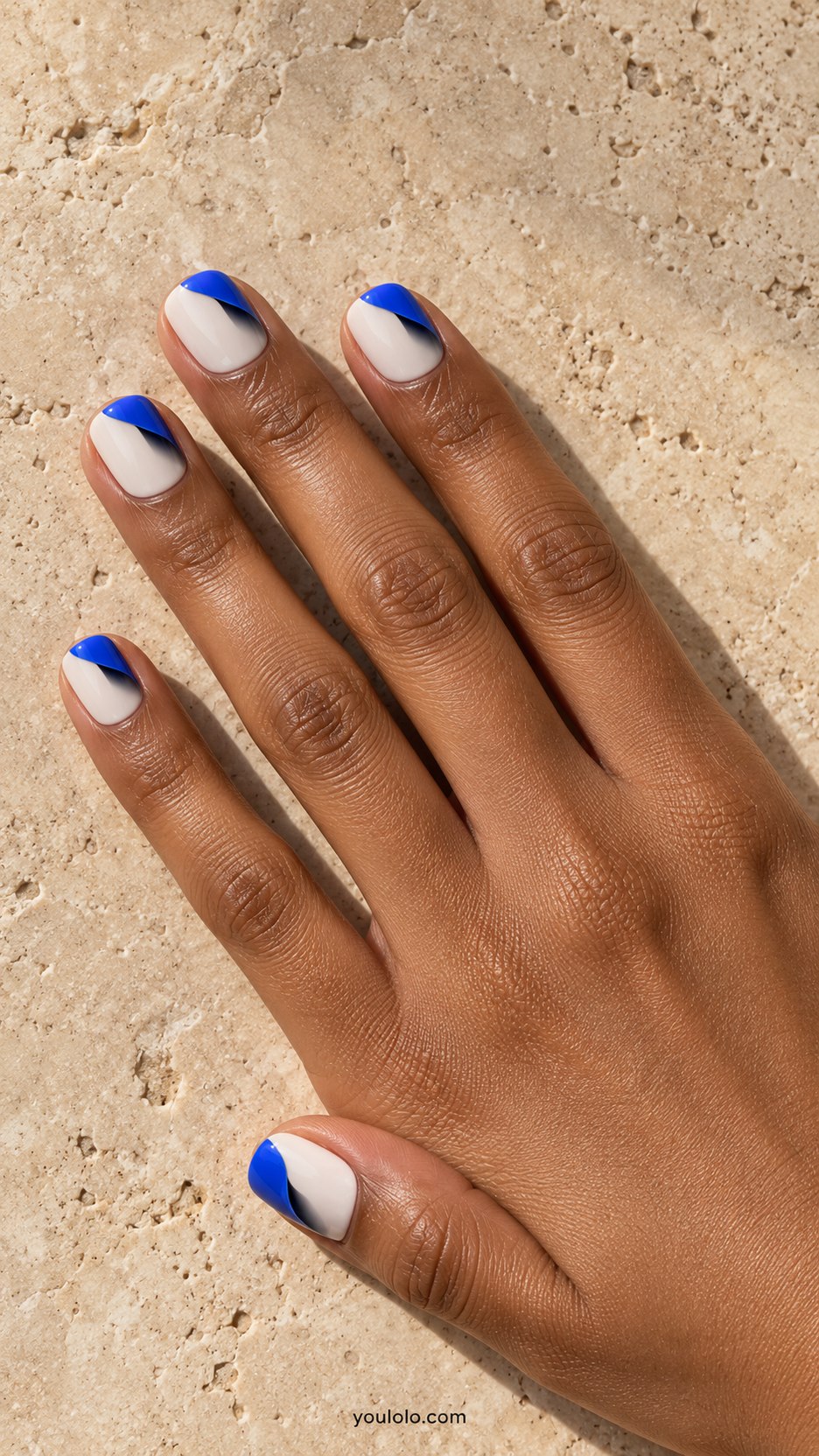
A painted blue corner that seems to peel away gives cream nails a tiny trompe-l’oeil moment. The illusion is simple enough to understand at a glance. I would wear it with a blue shirt or a plain white tee, letting the corner feel like a small graphic accessory.
Ask for a visible curved edge, a darker shadow underneath and a lighter folded face. All of it stays painted flat. One corner on each accent nail is plenty; the empty cream space is what makes the curl believable.
12. Op-Art Radiating Lines
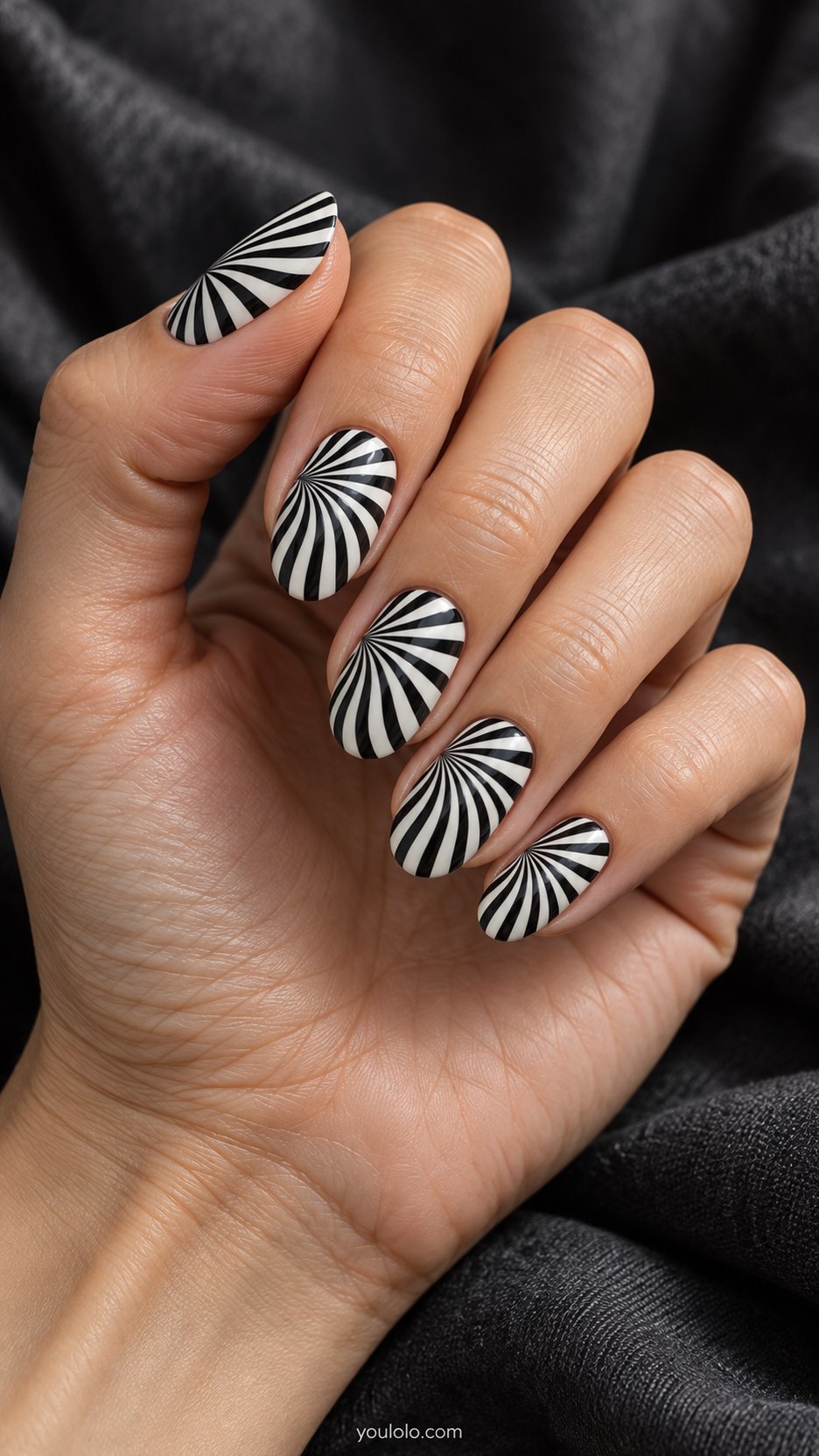
Fine rays can create a sense of movement even when the nail is still. An off-center starting point makes the pattern feel less rigid. I would pair this with plain black clothing, because the lines already bring plenty of visual energy.
The rays should widen gradually rather than staying evenly spaced everywhere. Give your artist room to simplify the pattern for your nail size. On short nails, fewer crisp lines will usually read more clearly than an extremely dense burst.
13. Floating Lilac Frames
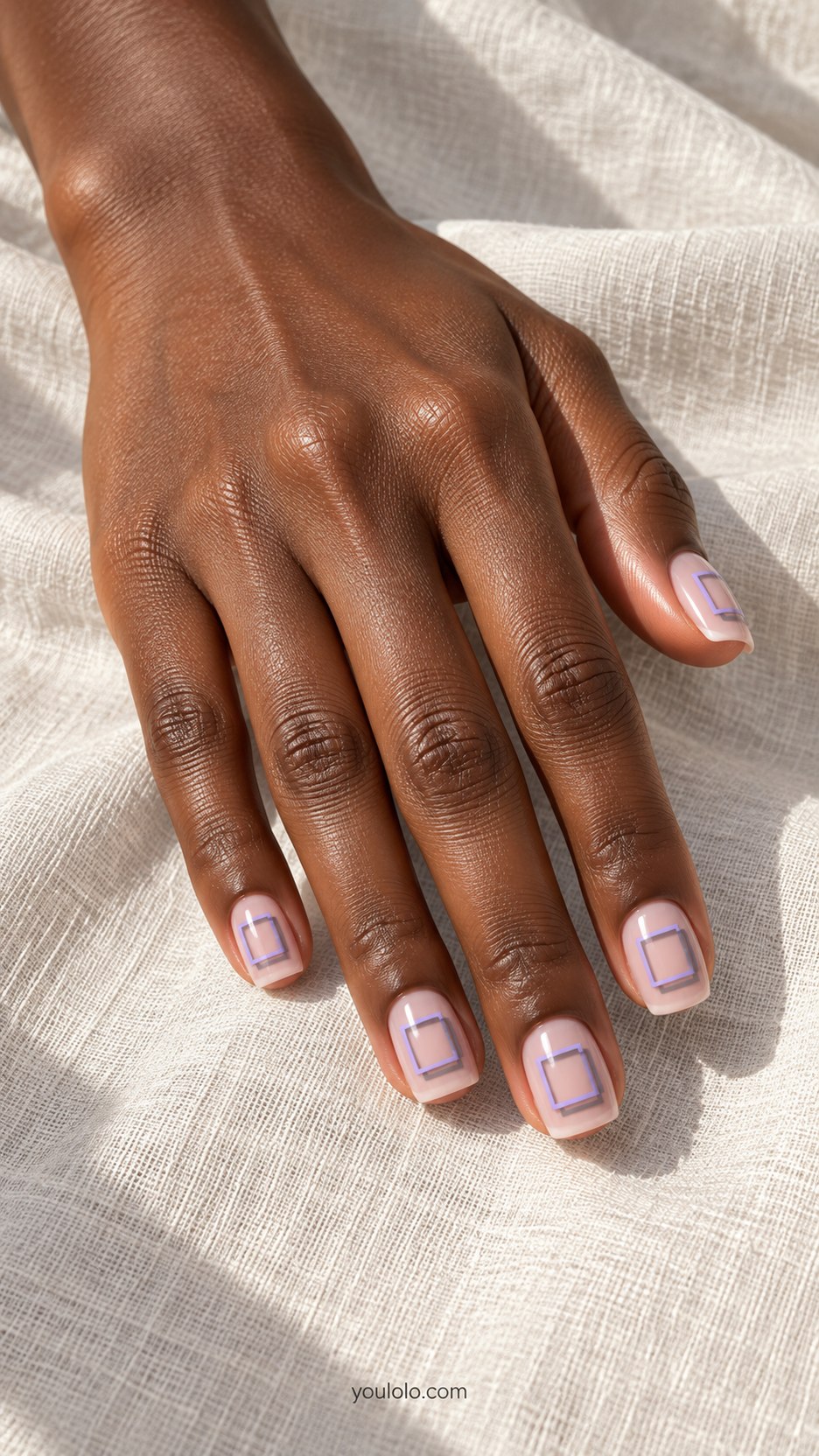
A lilac frame with a soft offset shadow appears to hover above a sheer base. It is a gentle way to try illusion art without a bold black-and-white pattern. I would wear it with cream denim and a pale gray top.
Keep the shadow on the same side of every frame so the imagined light feels consistent. The frame itself should stay simple and flat. One square on each accent nail is enough, especially if your nail beds are narrow.
14. Concave Amber Windows
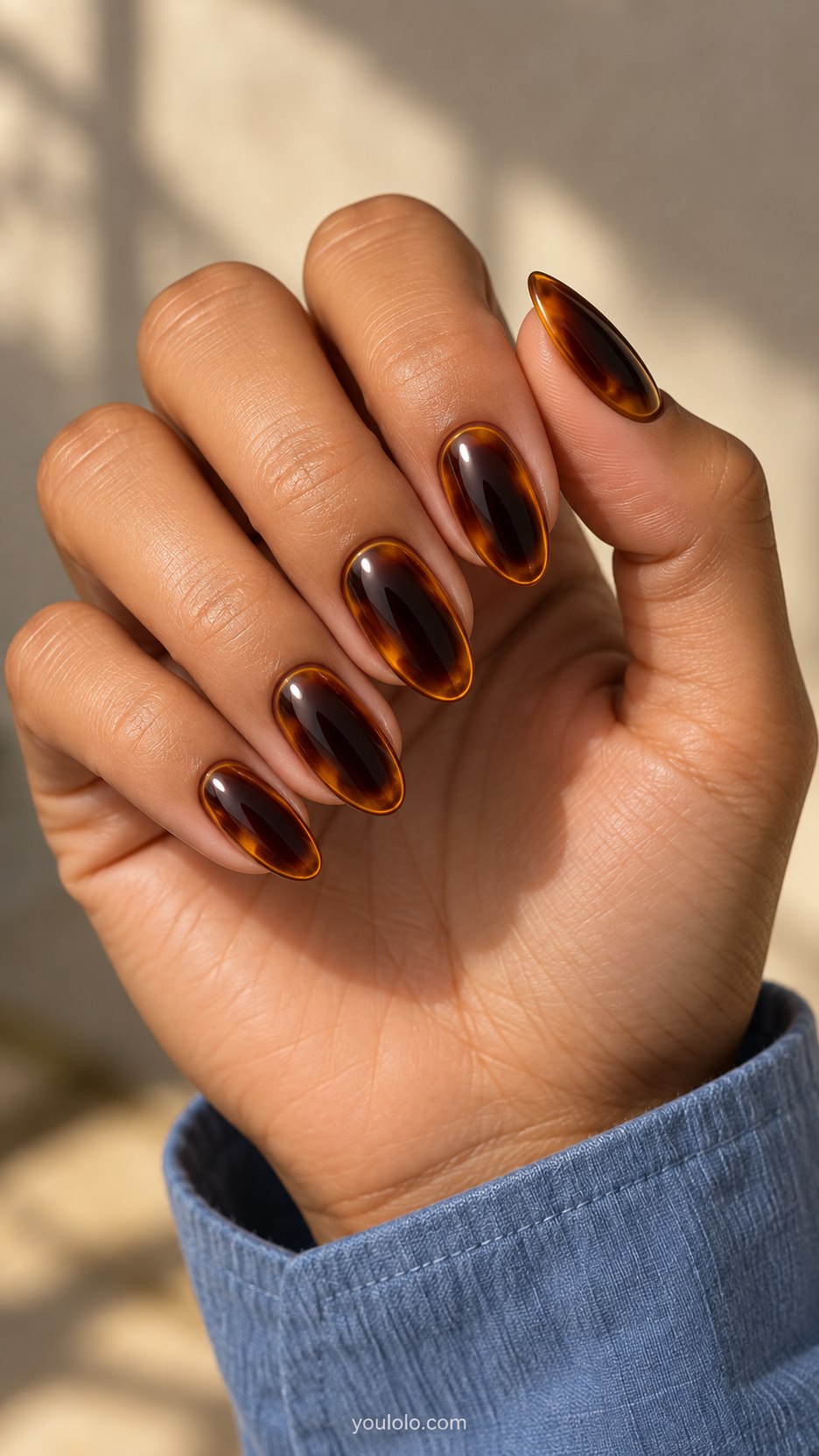
Dark centers and brighter amber edges can make an oval look recessed into the nail. The warm palette gives the illusion a resin-like mood. I would choose a chocolate knit and small gold earrings to bring out the honey tones.
Tell your artist that the inset is painted, with no physical hollow required. A clear oval silhouette helps the shading make sense. Use the effect on two nails and keep the others translucent amber if you want a quieter set.
15. Woven Color Strips
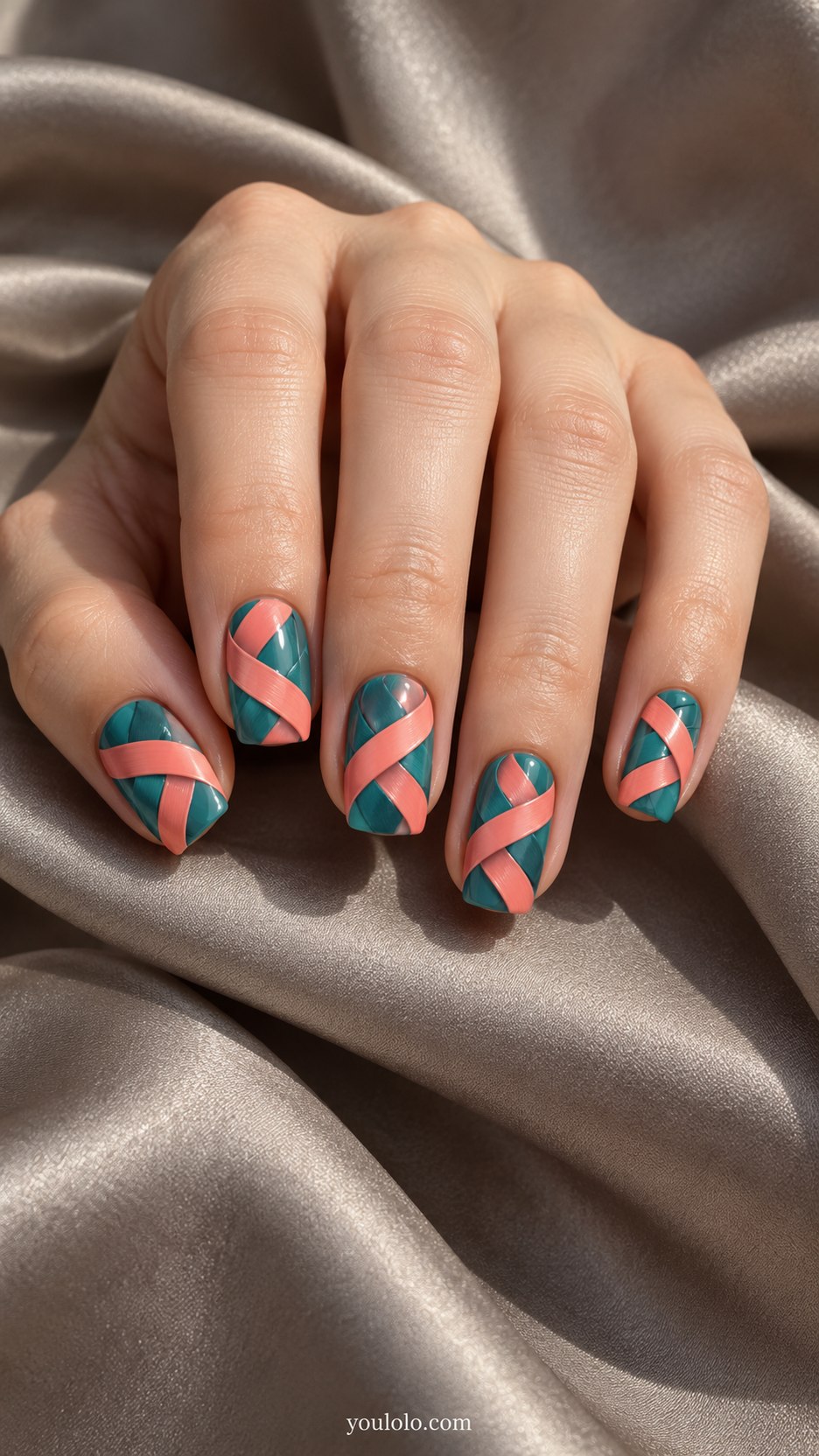
Teal, coral and cream strips seem to weave over and under each other when the shadows are placed carefully. The palette is cheerful, but the repeated structure keeps it organized. I would pair this with a plain white shirt and one teal accessory.
Ask for wide strips and a clear alternating order. If too many crossings fit onto one nail, the illusion can turn into a grid. A shorter version can use just one crossing on each accent nail.
How to Brief Your Artist on an Optical Illusion
Point to the exact illusion you want: an inset, a floating shape, a fold or a reversed gradient. These depend on different kinds of painting. Ask whether the artist is comfortable with that style and send the reference ahead of time. I would keep the first attempt to one or two accents so the illusion has a clear focal point.
Understanding the Illusion
Are optical illusion nails physically raised?
Not in this collection. The effects are painted on a smooth surface, using contrast, gradients and shadows to suggest depth. If you want raised texture instead, make that a separate request when talking to your artist.
Can illusion nail art work on short nails?
Yes, particularly a single cube, a shadowed frame or a painted corner curl. Reduce the number of elements rather than shrinking a complex pattern. A clear shape and visible contrast matter more than length alone.
Why might the illusion look different in person?
Nail curvature, lighting and viewing angle can change how painted depth reads. The images are concept references, so ask your artist to adapt the shading and scale to your nails rather than expecting an identical photographic effect.
Save the Effect That Made You Pause
The most convincing illusion is not necessarily the most complicated one. A clear shape, believable shadow and a little empty space can do a surprising amount. Save the image that made you pause, then ask your artist how to translate that one effect.
About These Design References
The images are original AI-generated manicure concepts, created individually for Youlolo. They are inspiration references, not photographs of completed salon services. Your nail artist can adapt the pattern, proportions and finish to your nails; an identical result is not guaranteed.
Editorial visual research included Allure’s double-ombre French feature. The images in this article are original concepts; no photographs from that source are reproduced.